

Are You Getting Your Protein?
/
Another day, another blog - welcome back to the Kensington Yakuin blog, and as usual I’m your regular writer, Mr Denny or just…Denny. I don’t really like being called Mr actually, so Denny is just fine.
The rainy season has started to rev up its proverbial engines in Japan and with it lots of sweaty humidity and heat. This means we all need to increase our fluid intake by a lot more, and that includes sodium, potassium and magnesium too - or more colloquially known as electrolytes.
Digressions aside, today’s topic is about protein intake. Last month I wrote about the incredible benefits of simply walking every day, and while it is indeed an excellent activity, nutrition alongside it is arguably just as, or if not more important. No amount of exercise can replace bad eating habits and especially low protein intake.
In fact, I think the vast majority of men in Japan don’t get enough protein. I think women are mostly okay, but for guys, the traditional Japanese diet - while very healthy - is also quite low on protein and calories. To give context - I eat about 160g of protein a day for my height and weight class, and even then I could still use more. This consists of things like 300g of chicken breast, 5-6 eggs a day, oat meal, fish, little snacks and protein shakes (sometimes). I eat a lot, and feel great thanks to my intake. I know that if I don’t eat enough protein, I tend to feel really bad, too - symptoms like low mood, low interest, fatigue, irritability, lack of cognitive function and a propensity to get sick more often are things that pop up if I’m under eating… thus my insistence that it’s really important you get your protein.
So, why is protein so important? Let’s read about it.
How Much Protein Do You Need?
This is where things become a little controversial because different people recommend different amounts.
For the average adult, many health organizations recommend roughly 0.8 grams of protein per kilogram of body weight per day as a minimum. For someone weighing 70kg, that's about 56 grams of protein.
However, many researchers and fitness professionals now suggest that active adults benefit significantly from more—often somewhere between 1.2 and 2.0 grams per kilogram of body weight.
To put that into perspective:
One egg contains roughly 6-7 grams of protein
100g of chicken breast contains around 30 grams
A serving of fish might contain 20-30 grams
A protein shake often contains 20-25 grams
When you start doing the maths, it's easy to see why many people unintentionally fall short.
Good Sources of Protein
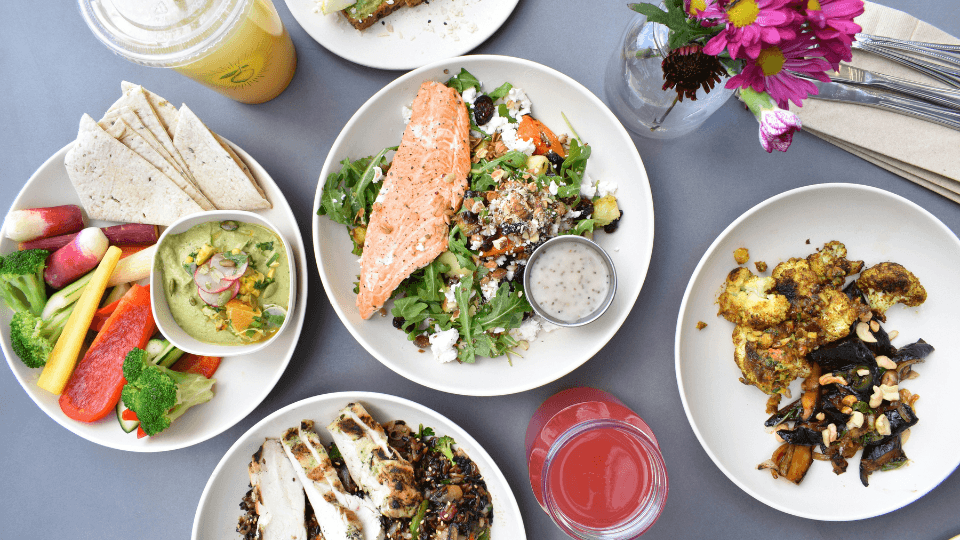
Fortunately, getting enough protein doesn't have to be complicated.
Some excellent protein sources include:
Chicken breast
Eggs
Fish
Lean beef
Greek yogurt
Tofu
Natto
Milk
Cheese
Beans and legumes
Japan actually has access to many excellent protein-rich foods. The challenge is often remembering to make them a regular part of your meals rather than treating them as side dishes.
It's Not About Perfection
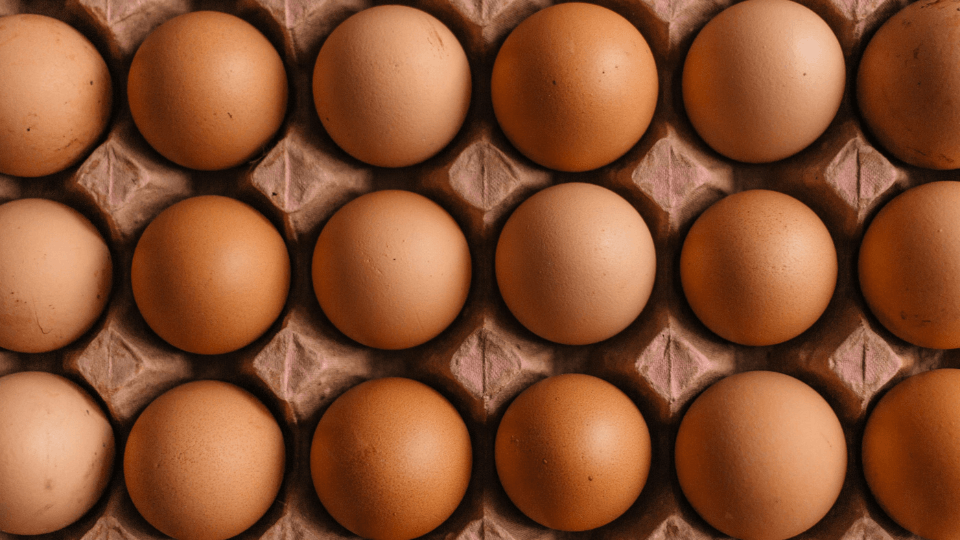
Before anyone rushes out to buy twenty cartons of eggs and a mountain of chicken breast, remember that nutrition isn't about perfection.
The goal isn't to obsess over every gram of protein you consume. The goal is simply to make sure you're getting enough to support your health, recovery, and daily life.
If you're feeling tired, hungry all the time, struggling to recover from exercise, or simply not feeling your best, it may be worth taking a closer look at your protein intake.
Sometimes small dietary changes can make a surprisingly large difference.
So the next time you're planning a meal, ask yourself a simple question:
"Where is my protein coming from?"
You might be surprised at how much better you feel once you start paying attention to the answer.
— Denny
[日本語訳]
タンパク質を摂ろう!
また新しい日が来ました。ケンジントン薬院ブログへようこそ。いつも通り、あなたの定番ライター、Denny「先生」…ではなくDennyです。実は私は「先生」と呼ばれるのはあまり好きではないので、Dennyと呼んでください。
日本も梅雨が本格化し、汗と湿気と暑さがやってきました。水分をたくさん摂らなければいけないということです。ナトリウム、カリウム、マグネシウムもです。口語的には、電解質として知られています。
脱線はともかくとして、今日のトピックはタンパク質の摂取についてです。先月は毎日単純にウォーキングをすることの信じられないほどの利点について書きました。それは確かに素晴らしいですが、それに伴う栄養は、同じくらいかもっと重要だと言えるでしょう。いかなる運動も、悪い食習慣、特に低タンパク質摂取をカバーすることはできません。
実際、日本の女性は大方大丈夫だと思いますが、男性の大多数はタンパク質が十分に摂取できていないと思います。伝統的な日本食は非常に健康的ですが、男性にとってはタンパク質とカロリーがかなり低いです。私は自分の身長と体重に対して1日約160gのタンパク質を摂っており、それでもまだもっと摂ってもいいくらいです。これは、鶏胸肉300g、5〜6個の卵、オートミール、魚、小さなスナック、プロテインシェイク(時々)のようなもので構成されています。私はたくさん食べていますが、摂取量のおかげで気分がいいです。私は十分なタンパク質を摂取しないと、本当に気分が悪くなる傾向があります。気分の低さ、興味関心の低さ、疲労、イライラ、認知機能の欠如、そして頻繁に病気にかかりやすくなるなどの症状は、食事不足の場合にでます。ですから、タンパク質を摂取することが本当に重要であると主張したいです。
では、なぜタンパク質はそんなに重要なのでしょうか?詳しくみてみましょう。
1日に必要なタンパク質の量は?
ここで少し議論の余地が生じます。人それぞれ推奨される摂取量が違うからです。
平均的な成人にとって、多くの健康機関は1日あたり「体重×0.8g」のタンパク質を最低でも摂ることを推奨しています。体重70kgの場合、約56gのタンパク質ということです。
しかし、多くの研究者とフィットネス専門家は、活動的な成人が体重1kg あたり1.2〜2.0g摂取すると利点が大きいと言っています。
それを念頭において、以下の食材に含まれるタンパク質量をみてみましょう。
卵1つ:約6〜7g
鶏胸肉100g:30g
魚1食分:20〜30g
プロテインシェイク:20〜25g
数字をみてみると、多くの人が意図せずタンパク質が不足している理由が見えてきます。
タンパク質の良い供給源
幸いなことに、十分なタンパク質を摂ることは複雑に考えなくてもできます。
優れたタンパク質源には以下のようなものが挙げられます:
鶏胸肉
卵
魚
牛肉の赤身
ギリシャヨーグルト
豆腐
納豆
牛乳
チーズ
豆類とマメ科の植物
日本は実際の多くの優れたタンパク源が手に入りやすいです。課題は、それらを副菜として扱うのではなく、定期的に摂取する食材として扱うことです。
完璧である必要はない
20個の卵のカートンと大量の鶏胸肉を買いに走り出す前に、栄養は完璧であることが重要なわけではないことを覚えていてください。
目標は、摂取するタンパク質の1gごとに執着することではありません。目標は、健康、回復、日常生活をサポートするのに十分な量を摂取していることを確認することです。
疲れている、常に空腹である、運動した後すぐ回復できない、または単に気分が落ちていると感じている場合は、ご自身のタンパク質摂取量に目を向けてみる価値があるかもしれません。
時々、小さな食事の変更は驚くほど大きな違いをもたらすことができます。ですから、次に食事を決める時は、自分自身に簡単な質問をしてみてください。
「私はどこからタンパク質を摂っているか?」
答えに注意を払い始めたら、どれだけ気分がよくなるか驚かれるかもしれません。
-Denny

