

How Games Can Benefit Kids – More Than Just Fun
/
Hey everyone, Denny here again with another blog post for Yakuin. I hope you’re all having a warm and sunny Spring and enjoying yourselves.
Let’s talk video games - this is arguably my most qualified blog post, as despite my yearning to learn many things in my life, my greatest area of expertise lies in video games, something I’ve been playing since the age of two. We’ll get to my personal experiences and recommendations, but for now, let’s talk about the benefits and potential problem areas.
Something that often comes up when talking with parents and students is the idea that video games are simply a waste of time. It’s an easy assumption to make—after all, games are designed to be entertaining. But is that the whole story?
In reality, video games can offer a range of cognitive and social benefits for children—when used properly. Like many things, the value depends on how they are used.
Let’s take a closer look at what games can do, the potential problems, and how parents can get involved in a positive way.
The Cognitive Benefits of Video Games
![薬院ブログ:ウィンザー英会話(ケンジントン英会話薬院校)ブログ:[How Games Can Benefit Kids]](https://images.squarespace-cdn.com/content/v1/534fda34e4b0b484a75ffdcf/60ec8129-7169-4b1c-9779-b0433874b02b/2.png)
Research over the years has shown that certain types of video games can support brain development in children. Not all games are equal, of course, but many encourage useful mental skills.
Some of the key benefits include:
Improved problem-solving skills – Puzzle and strategy games require planning, experimentation, and adaptation
Faster decision-making – Action games often train players to react quickly and accurately
Better hand-eye coordination – Controlling characters and responding to visual cues strengthens coordination
Enhanced memory – Many games require players to remember patterns, rules, or objectives
Increased attention to detail – Players learn to notice small but important changes in their environment
These skills can transfer into real-life situations, especially in learning environments where focus and adaptability are important.
Social and Emotional Benefits
![薬院ブログ:ウィンザー英会話(ケンジントン英会話薬院校)ブログ:[How Games Can Benefit Kids]](https://images.squarespace-cdn.com/content/v1/534fda34e4b0b484a75ffdcf/4ccf8225-bb56-413e-9624-61c7e6633cd8/3.png)
Games are not always a solo activity. In fact, many modern games are highly social, whether played online or in the same room.
Children can develop:
Teamwork skills through cooperative play
Communication skills when coordinating with others
Resilience by learning from failure and trying again
Confidence as they improve and achieve goals
For some children, games can even become a comfortable way to connect with others, especially if they struggle in more traditional social settings.
Potential Problems to Watch For
![薬院ブログ:ウィンザー英会話(ケンジントン英会話薬院校)ブログ:[How Games Can Benefit Kids]](https://images.squarespace-cdn.com/content/v1/534fda34e4b0b484a75ffdcf/15527dbf-0154-489c-8243-d96422019ec1/4.png)
Of course, it’s not all positive. Like anything engaging, video games can become a problem if not managed properly.
Some common concerns include:
Too much screen time
Reduced physical activity
Difficulty focusing on schoolwork
Exposure to inappropriate content
Frustration or anger when losing
The key issue here is balance. Games themselves are not the problem—uncontrolled use is.
How to Play Games With Your Kids
![薬院ブログ:ウィンザー英会話(ケンジントン英会話薬院校)ブログ:[How Games Can Benefit Kids]](https://images.squarespace-cdn.com/content/v1/534fda34e4b0b484a75ffdcf/214ae318-9a02-42e7-bb01-f02d4b997fc5/5.png)
One of the best ways to make gaming a positive experience is simple: join in. Playing games with your children can turn a solo activity into a shared one.
Here are a few ways to do that:
Play together – Try cooperative or local multiplayer games
Ask questions – Show interest in what they are doing and why
Set boundaries together – Agree on playtime limits as a team
Choose games carefully – Look for age-appropriate and skill-building games
Use games as conversation starters – Talk about strategies, stories, or decisions in the game
When parents are involved, games become more than just entertainment—they become a space for learning and connection.
It's About Balance, Not Elimination
![薬院ブログ:ウィンザー英会話(ケンジントン英会話薬院校)ブログ:[How Games Can Benefit Kids]](https://images.squarespace-cdn.com/content/v1/534fda34e4b0b484a75ffdcf/cda09901-7993-4bf4-af13-296dd823c2dc/6.png)
Video games are a part of modern life, and for many children, they are a natural and enjoyable way to spend time. Instead of removing them completely, it may be more useful to guide how they are used.
With the right balance, games can support learning, build skills, and even strengthen relationships.
Like many things, it’s not about whether kids play games—it’s about how they play them.
My Personal Anecdotes and Recommendations
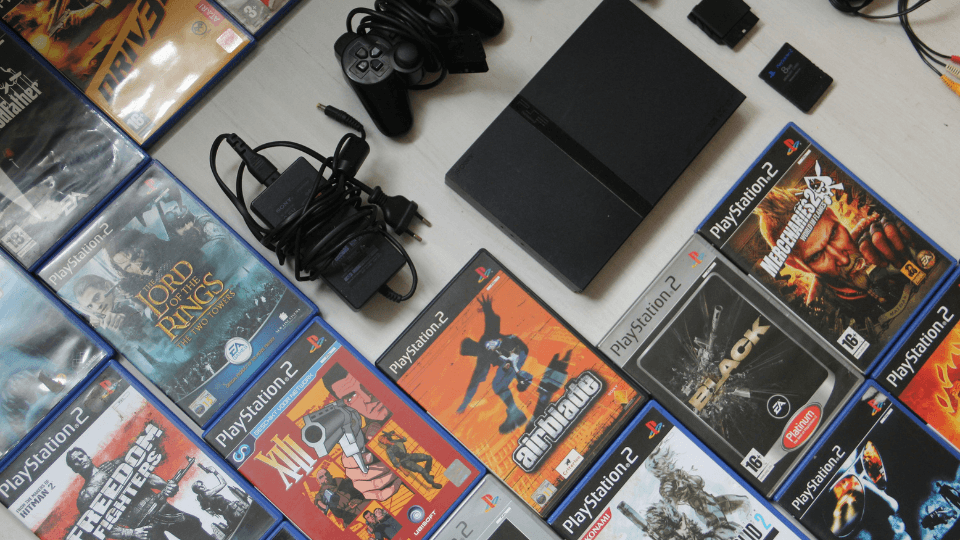
Finally, the best part of the blog - my own experiences and recommendations regarding video games!
I grew up in the period of video gaming where most technological and gameplay advancements were made, so I witnessed 16-bit graphics go from 32-bit to fully 3D, then simple 3D shapes into hyper detailed, reflective surfaces that began to break the veil of reality. I’ve seen games go from simplistic side scrollers where the objective is to jump on things and get to a flag, to multi layered, labyrinthine 3D maps with intense verticality and multiple weapons in your arsenal fighting an onslaught of enemies that attack from all angles.
It’s been a fun ride, and there’s a giant amount of genres now. Cutting to the chase though, the games I recommend for kids are things like Minecraft, Age of Empires II, Slay the Spire, Factorio, Satisfactory and Mindustry.
You’ve likely never heard of any of these with the exception of Minecraft, and that’s fine! They’re all very, very good, kid friendly games that require a lot of strategizing, thought and brain power. These games are exceptional for children because they’re engaging and require serious thought. They’re also a lot of fun for adults too, so be sure to check those out.
As for how video games have affected my personal life - they were a great escape for me when I was younger, but also helped me develop some lifelong friendships. Almost all my closest friends are gaming buddies I played with online, and I have many memories of late night gaming with people.
Did my grades suffer however? Absolutely. Gaming, like watching TV, reading too much, or anything else, can consume your time, so finding balance is important. Work with your kids and help them understand this by explaining to them that when your work is done, and you’ve nothing left to do, game away to your hearts content and focus in freely. This is what I do nowadays and I’ve no problem living a healthy and happy life.
Enjoy.
— Denny
[日本語訳]
ゲームが子どもたちにもたらす利点 ー単なる楽しみ以上のものー
皆さん、こんにちは。
今月もまたDennyが薬院のブログをお届けします。
皆さんが暖かく晴れた日を過ごし、楽しんでいることを願っています。
ビデオゲームについて話しましょう。これは間違いなく私の最も得意な分野のブログです。
私は色々なことに関心があり学びたい願望がありますが、私の最大の専門分野はビデオゲームにあります。2歳からプレイしてきたものです。私の個人的な経験とおすすめについてはのちほど触れますが、今のところ、利点と潜在的な問題領域について話しましょう。
親御さんや生徒と話す時によく出てくるのは、ビデオゲームは単に時間の無駄だという考えです。結局のところ、ゲームは楽しませるように設計されています。しかし、それが全てでしょうか?
実際には、ビデオゲームは適切に使用される場合、子どもたちに幅広い認知的および社会的利点を提供できます。多くのものと同様に、その価値は使い方によります。
ゲームができること、潜在的な問題、そして親がポジティブな方法で関わる方法について詳しく見ていきましょう。
ビデオゲームの認知的利点
長年にわたる研究により、特定の種類のビデオゲームが子どもたちの脳の発達をサポートできることが示されています。もちろん、全てのゲームが同じではありませんが、多くは有用な精神的スキルを促進します。
主な利点にはいかが含まれます:
問題解決能力の向上 - パズルや戦略ゲームは計画・実験・適応を必要とする
より速い意思決定 - アクションゲームはプレイヤーに素早く正確に反応するように訓練する
より良い手と目の協調性 - キャラクターをコントロールし、視覚的な合図に反応することで協調性が強化される
記憶力の向上 - 多くのゲームはプレイヤーにパターン、ルール、目標を覚える事を要求する
細部への注意力の向上 - プレイヤーは小さいが重要な変化に気づくことを学ぶ
これらのスキルは実生活の状況、特に集中力と適応性が重要な学習環境に転用できます。
社会的および感情的な利点
ゲームは必ずしも単独の活動ではありません。実際、多くの現代のゲームは、オンラインでプレイされるか同じ部屋でプレイされるかにかかわらず、非常に社交的です。
子どもたちは次のことを発達させることができます:
協力プレイを通じたチームワークスキル
他者と調整するときのコミュニケーションスキル
失敗から学び、再挑戦することによる回復力
上達し、目標を達成することによる自信
一部の子どもたちにとって、特により伝統的な社交的な場で苦労している場合、ゲームは他者とつながる快適な方法にさえなりえます。
注意すべき潜在的な問題
もちろん、全てがポジティブなわけではありません。魅力的なものと同様に、ビデオゲームは適切に管理されなければ問題になる可能性があります。
一般的な懸念事項には以下が含まれます:
スクリーンタイムが多すぎる
身体活動の減少
学業に集中することの困難
不適切なコンテンツへの露出
負けた時のフラストレーションや怒り
ここでの重要な問題はバランスです。ゲーム自体が問題ではありません。コントロールされていない使用が問題なのです。
子どもたちとゲームをプレイする方法
ゲームをポジティブな体験にする最良の方法の一つはシンプルです。参加することです。
子どもたちとゲームをプレイすることで、単独の活動に変えることができます。
それを行うためのいくつかの方法は次の通りです:
一緒にプレイする - 協力型またはローカルマッチプレイヤーゲームを試す
質問する - 彼らが何をしているか、なぜそうしているかに興味を示す
一緒に境界を設定する - チームとしてプレイ時間の制限に同意する
ゲームを慎重に選ぶ - 年齢に適した、スキル構築のゲームを探す
ゲームを会話のきっかけとして使う - ゲーム内の戦略、ストーリー、決定について話す
親が関与すると、ゲームは単なる娯楽以上のものになります。学習とつながりの場になります。
排除ではなく、バランスについて
ビデオゲームは現代生活の一部であり、多くの子供たちにとって、時間を過ごす事前で楽しい方法です。完全に削除するのではなく、しよう方法を導く方がより有用かもしれません。
適切なバランスがあれば、ゲームは学習をサポートし、スキルを構築し、さらには関係を強化することができます。
多くのものと同様に、それは子どもたちがゲームをプレイするかどうかではなく、どのようにプレイするかについてです。
私の個人的な逸話とおすすめ
最後に、ブログの最高の部分、ビデオゲームに関する私自信の経験とおすすめです!
私はビデオゲームのほとんどの技術的およびゲームプレイの進歩が行われた時期に育ったので、16ビットグラフィックスが32ビットから完全な3Dへ、そして単純な3D形状から現実世界に存在するように見えるものにまで進化するのを目撃しました。ゲームが、物の上にジャンプして旗に到着することが目的のシンプルな横スクロールゲームから、激しい垂直性と武器庫の複数の武器をもち、あらゆる角度から攻撃してくる敵の猛攻と戦う、複雑で迷路のような3Dマップへと進化するのをみてきました。
楽しい旅でした。そして今では膨大な数のジャンルがあります。しかし、本題に入ると、私が子供達におすすめするゲームは、Minecraft、Age of Empires II、Slay the Spire、Factorio、Satisfactory、Mindustryなどです。
Minecraftを除いて、これらの何も聞いたことがないかもしれませんが、それで大丈夫です!これらは全て非常に優れた、子どもに優しいゲームで、多くの戦略、思考、脳力を必要とします。これらのゲームは、魅力的で真剣な思考を必要とするため、子どもたちにとって例外的です。大人にとってもとても楽しいので、ぜひチェックしてみてください。
ビデオゲームが私の個人生活にどのように影響したかについては、若い頃の私にとって素晴らしい逃避場所でしたが、障害の友情を築くのにも役立ちました。私の最も親しい友人のほぼ全員が、オンラインで一緒にゲームをしていたゲーム仲間であり、深夜ゲーミングの思い出がたくさんあります。
しかし、成績は下がったでしょうか?間違いなく下がりました。ゲームは、テレビをみること、読書しすぎること、その他なんでも同様に、時間をしょうひする可能性があるため、バランスを見つけることが重要です。子どもたちと協力し、やるべきことが終わって、もうやることがなくなったら、心ゆくまでゲームをして自由に集中できることを説明することで、これを理解させてください。これは私が今やっていることで、健康で幸せな生活を送ることになんの問題もありません。
楽しんでください。
-Denny

