

Making A Stronger Tongue - For Pronunciation!
/
Welcome back to the Yakuin blog everyone, and I hope you’re all doing well. As usual, your teacher Denny is taking the helm of the blog, and today I’m going to talk about something a little unusual - your tongue!
More specifically, I want to talk about how the physical movement of your mouth, tongue, jaw and neck affects your English pronunciation, and why I think developing control over these muscles can make a surprisingly big difference.
English pronunciation can be quite difficult for Japanese speakers. This isn’t because Japanese speakers are somehow bad at pronunciation - far from it. It’s largely because Japanese and English use their mouths in quite different ways. Certain sounds, movements and combinations that are completely normal in English simply aren’t used very often in Japanese.
So today, let’s talk about making your tongue stronger, more flexible and more coordinated, and how this can help you speak English more clearly.
Why Is English Pronunciation Difficult?

Japanese has a relatively consistent relationship between its sounds and written characters, whereas English is considerably more chaotic. The same letters can produce different sounds, and the same sound can be represented by completely different letters.
But the difficulty goes deeper than spelling.
English uses a large variety of sounds that require your tongue, lips and jaw to move into positions that may not feel natural to a Japanese speaker. Sounds like TH, R, L, V and certain combinations of consonants can require a completely different form of muscular coordination.
Your tongue is a muscle, after all, and like any other part of your body, it becomes better at movements that you practise regularly.
If your tongue has spent most of its life producing Japanese sounds, suddenly asking it to rapidly move between completely different positions in English can feel very strange. This is normal. Your tongue isn't broken, it just needs training.
Your Jaw and Neck Matter Too
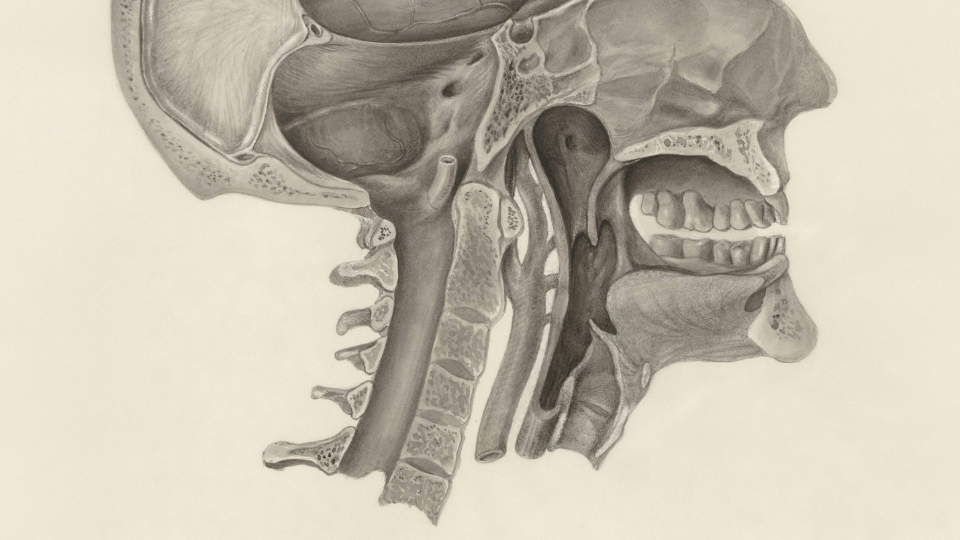
When we talk about pronunciation, we naturally focus on the tongue because it's doing so much of the work. But your tongue doesn't operate independently.
Your jaw, lips, throat and neck all work together to produce speech. If your jaw is extremely tense, for example, it can restrict the movement necessary for certain sounds. If your neck and throat are tense, your voice can also become more restricted and less natural.
This is why I actually recommend that students pay attention to relaxation and movement, rather than simply trying to force their pronunciation.
Try opening and closing your jaw slowly. Move it gently from side to side. Stretch your mouth into exaggerated shapes. Move your tongue around your mouth and practise touching different areas of your teeth and palate.
You can also exaggerate English sounds when practising them.
It may feel ridiculous and that's okay. You're training your muscles and your brain to coordinate these movements more efficiently.
My Experience With Beatboxing

This is actually something I have a lot of personal experience with.
When I was young, I became interested in beatboxing. For those who don't know, beatboxing is essentially producing rhythms, percussion and other sounds using your mouth, tongue, lips and throat.
I spent years practising strange sounds, rapidly moving my tongue around, controlling my breath, making percussive sounds and learning how to produce noises that definitely weren't part of normal conversation.
At the time, I was just having fun. But looking back, I think this gave me a rather unusual advantage when it came to pronunciation.
I had already spent years training the muscles involved in producing sounds. I had developed a fairly high degree of control over my tongue, jaw, lips and breathing, and I was comfortable experimenting with the position of my mouth.
So when I encountered difficult English sounds, I didn't have quite the same physical barrier that some learners experience. In other words, I had accidentally been training my pronunciation for years without realising it.
You Can Train This Too

You don't need to become a beatboxer, of course. But you can borrow some of the principles.
Try exaggerating your pronunciation when you practise English. Move your mouth more than you normally would. Slow down and consciously feel where your tongue is going. Repeat difficult sounds several times and gradually increase your speed.
You can also practise combinations of sounds rather than individual sounds.
For example, saying a single R sound is one thing. Moving quickly between R, L, TH and V sounds is another. Real English requires your mouth to transition between sounds rapidly, and this is where muscular coordination becomes important.
Think of it like playing an instrument. A pianist doesn't become good simply by knowing which keys exist. They develop the physical ability to move between those keys quickly and accurately. Speaking is similar - you are essentially playing an instrument that you carry around with you every day.
Don't Forget to Relax

There is one important caveat here, however.
More force does not necessarily mean better pronunciation. You don't need to aggressively clench your jaw or strain your neck. In fact, excessive tension can make pronunciation worse. The goal is control, not brute strength.
Your mouth should eventually be able to move into these positions naturally, without you having to consciously think about every individual muscle. This is why repetition matters so much. At first, you think:
"Okay, where does my tongue go for this sound?"
Eventually, your brain simply does it. That's the same principle we use when learning almost any physical skill.
Your Pronunciation Is a Physical Skill

We sometimes treat language as though it's entirely intellectual. We learn vocabulary, grammar and sentence structures, and we think of English as something that exists inside our brains. But speaking is also a physical activity.
Your brain has to coordinate your tongue, jaw, lips, breathing and voice in real time while simultaneously thinking about vocabulary, grammar and what you actually want to say. That's a lot of cognitive and physical processing happening at once.
So if your pronunciation isn't perfect yet, don't become frustrated. You're not simply memorising information, you're training your body to perform a new skill, and just like any other skill, it improves with practice.
So next time you're practising English, pay a little more attention to your mouth. Exaggerate the sounds, move your tongue around, relax your jaw and experiment with your pronunciation. You might look a little silly doing it, but that's okay. Sometimes looking silly is simply what learning looks like.
That's all for today everyone. Hopefully this gave you something new to think about, and perhaps you'll pay a little more attention to the physical side of speaking English from now on.
See you in class.
-Denny
【日本語訳】
強い舌で発音を鍛える!
薬院ブログへようこそ。いつも通り私Dennyがブログを担当いたします。
今日は少し珍しいことについて話したいと思います。私たちの舌についてです!
具体的には、口、舌、あご、首の物理的な動きが英語の発音にどのように影響するか、そしてなぜこれらの筋肉をコントロールする能力を発達させることが驚くほど大きな違いをもたらす可能性があるのかについて話したいと思います。
英語の発音は日本語話者にとってかなり難しい場合があります。これは日本人が発音が下手だからではありません。むしろその逆です。主な理由は、日本語と英語が口を非常に異なった方法で使うからです。英語では普通な音、動き、組み合わせは、日本語ではあまり使われません。
では今日は、舌をより強く、より柔軟に、より協調性のあるものにする方法と、これがどのように英語を話すのに役立つかについて話しましょう。
なぜ英語の発音は難しいのか?
日本語には、文字と音は比較的一貫した関係がありますが、英語はかなり混沌としています。同じ文字でも発音が違ったり、同じ発音でも文字は全然違ったりします。
難しいのはスペルだけではありません。
英語では、日本語話者にとって不自然な舌、唇、あごの動かし方が必要な音を多く使用します。TH、R、L、Vや、特定の子音の組み合わせなどの音は、完全に異なる筋肉の組み合わせが必要になります。
結局、舌は筋肉です。そして、体の他の部分と同様に、定期的に動かす練習をすることで、より良くなります。
今までずっと日本語の音をつくっていた舌を、急に英語を話すときの色々な動きを求めるのは変な感じがするかもしれません。それが普通です。舌が壊れているわけではありません。トレーニングが必要なだけです。
あごと首も重要
発音というと、舌の仕事が多いので、舌の動きに焦点を当てます。しかし、あなたの舌は独立して機能していません。
あご、唇、喉、首が力を合わせて発声します。例えば、あごが強張っていると、特定の音を発声しにくかったりします。首と喉が緊張していると、特定の音が制限されて、不自然な発声になったりもします。
だから生徒さんにも、発音を無理やり強制するのではなく、リラックスすることと体の動きに注目することをおすすめしています。
あごをゆっくり開いて閉じて、左右に動かしてみてください。口を大きく縦に開いてみてください。口の中で舌を動かして練習してみてください。
英語の音を出すときに、大袈裟に発音してみる練習もするといいでしょう。
少々滑稽に見えてしまうかもしれませんが、心配しないでください。筋肉と脳のトレーニングをして、効率的に動かす練習をしているだけです。
ビートボックスの経験から
これは実は私自身も経験が多いのです。
知らない人のために説明すると、ビートボックスは口、舌、唇、喉を使ってリズム、パーカッション、その他の音を出すことです。
長年にわたり、舌を動かす練習や呼吸をコントロールする練習、変な音を出す練習をして、パーカッションの音を出すために普段の会話では出すことのない音の出し方を勉強しました。
当時はただ楽しくてやっていましたが、振り返ってみると、発音に関してはこれがアドバンテージになったような気がします。
私はすでに、音を出すために使う筋肉を何年もトレーニングしていたのです。舌、あご、唇、呼吸のコントロール能力が高まり、口の位置を色々試すことに慣れていました。
だから、難しい英語の音に出会ったときも、他の学習者が感じるような壁がそこまでなかったのです。つまり、知らないうちに何年も発音の訓練をしていたわけです。
あなたもトレーニングできます
もちろん、ビートボクサーになる必要はありません。ただ、その原則の一部を参考にできます。
英語を練習するときは、発音を大げさにしてみてください。普通より大きく口を動かしましょう。ゆっくり話して、舌がどこにあるか意識してください。難しい音を何度も繰り返して、徐々にスピードを上げていきます。
また、単一の音ではなく、音の組み合わせを練習することも大切です。
例えば、R音だけをいうのは簡単です。でも、R、L、TH、V音の間を素早く切り替えるのはとても難しいです。実際の英語では、口が音から音へ素早く移動する必要があり、ここで筋肉の協調性が重要になってきます。
楽器を弾くのと同じように考えてみてください。ピアニストは単にどこのキーを押すかを知っているだけでは上達しません。キーの間を素早く正確に動かす能力を身につけなければなりません。話すのも同じです。毎日持ち歩いている楽器を演奏しているようなものです。
リラックスも忘れずに
ただし、ここで大切なポイントがあります。
力を入れればいいってわけではありません。顎を無理やり食いしばったり、首に力を入れたりする必要はありません。実は、余分な力は発音を悪くする可能性があります。大事なのはコントロールであって、力ではないのです。
最終的には、全ての筋肉を意識することなく、口が自然にこうした位置に動くようになるべきです。だからこそ繰り返しが大事なんです。最初のうちは:
「この音には舌をどこに置くんだっけ?」
と考えますが、やがて脳が自動的にそれをするようになります。これはほぼ全ての身体スキル習得に共通する原則です。
発音は身体スキル
時々、私たちは言語を知識的なものだけとして捉えてしまいます。語彙、文法、文の構造を学んで、英語は脳の中にあるものだと思い込みます。でも、話すのは身体活動でもあるのです。
脳は、リアルタイムで舌、あご、唇、呼吸を調整しながら、同時に語彙や文法のことを考えて、何をいうか決めなければなりません。これは、同時に多くの認知的・身体的な処理が行われているということです。
次に英語を練習するときは、ぜひ口にもっと注意を払ってみてください。音を大袈裟にして、舌を動かして、顎をリラックスさせて、色々な発音を試してみてください。少し馬鹿みたいに見えるかもしれませんが、それで大丈夫。ときには学習とはそういうものなのです。
今日はここまでです。皆さんに新しい視点を提供できたら幸いです。これからは英語を話すときに、身体の使い方にもう少し意識を向けてみてください。
レッスンでお待ちしてます。
-Denny

